Books
/ Springer, 2014
Mark D. Benson
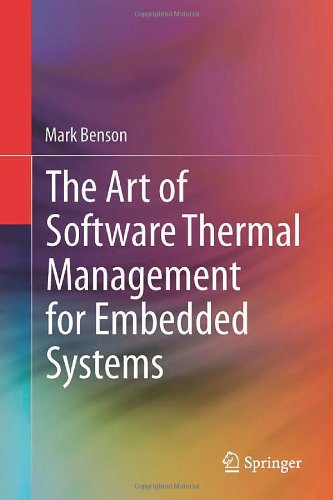
Cover of The Art of Software Thermal Management for Embedded Systems by Mark D. Benson

The Art of Software Thermal Management for Embedded Systems

A book on the art of controlling the thermodynamic behavior of computing systems with software.

01 / What it covers
01
Explains the fundamentals of software thermal management, along with techniques and frameworks to make it happen.
02
Positions software engineers alongside electrical and mechanical engineers in thermal management for complex embedded systems.
03
Focuses on power management as a way to avoid generating heat, with a catalog of pragmatic approaches for doing so.
Whereas most books on thermal management describe mechanisms to remove heat, this book focuses on ways to avoid generating heat in the first place.
02 / Benefits

Software Thermal Management (STM) reduces power consumption in a computing system in order to manage heat, improve component reliability, and increase system safety.
Power
Reduce power consumption
Software-assisted power management extends battery life and reduces the production of heat.
Reliability
Improve component reliability
Acute temperature spikes raise the probability of component failure.
Performance
Manage thermal performance
Software thermal management extends component life and improves battery performance.
Safety
Increase system safety
Managing thermal performance well reduces the chance of system failure and personal injury.
03 / From the book
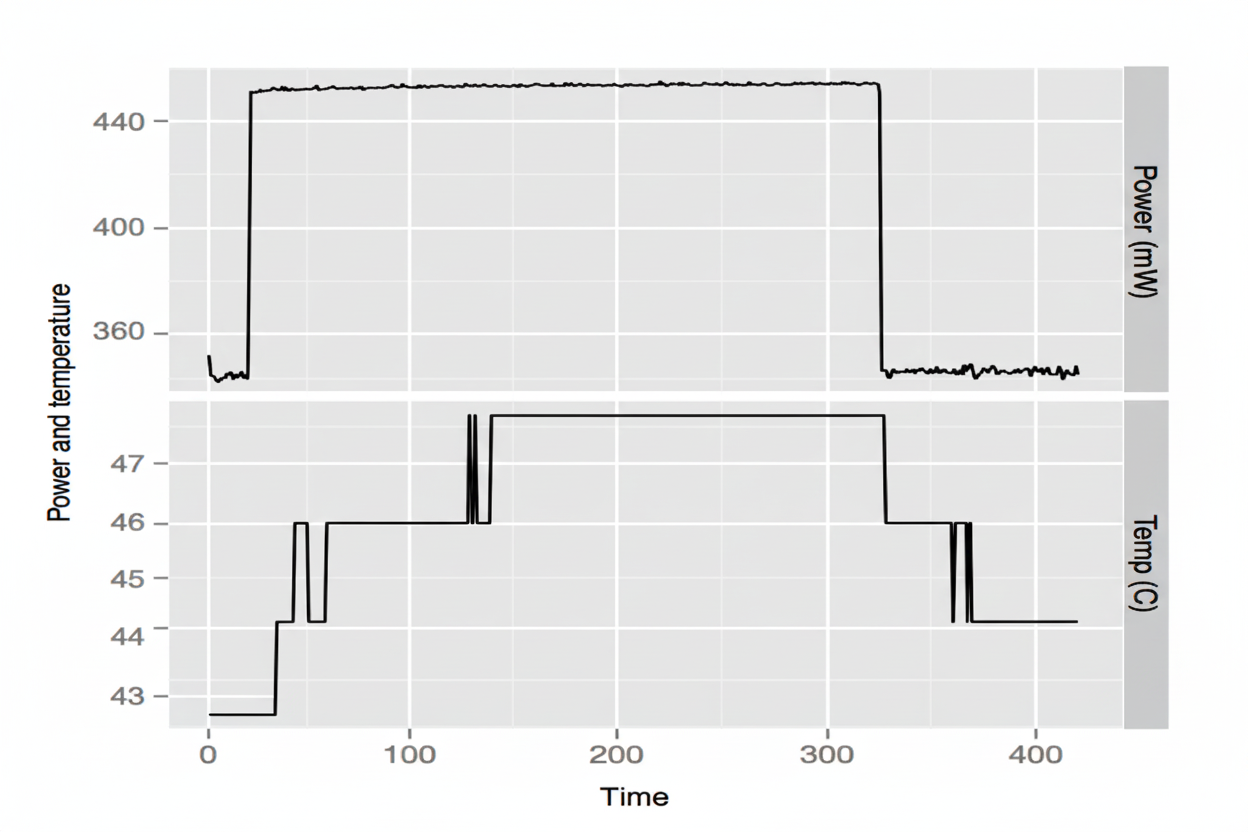
Chart of the relationship between power and heat in an embedded system, a figure from the book
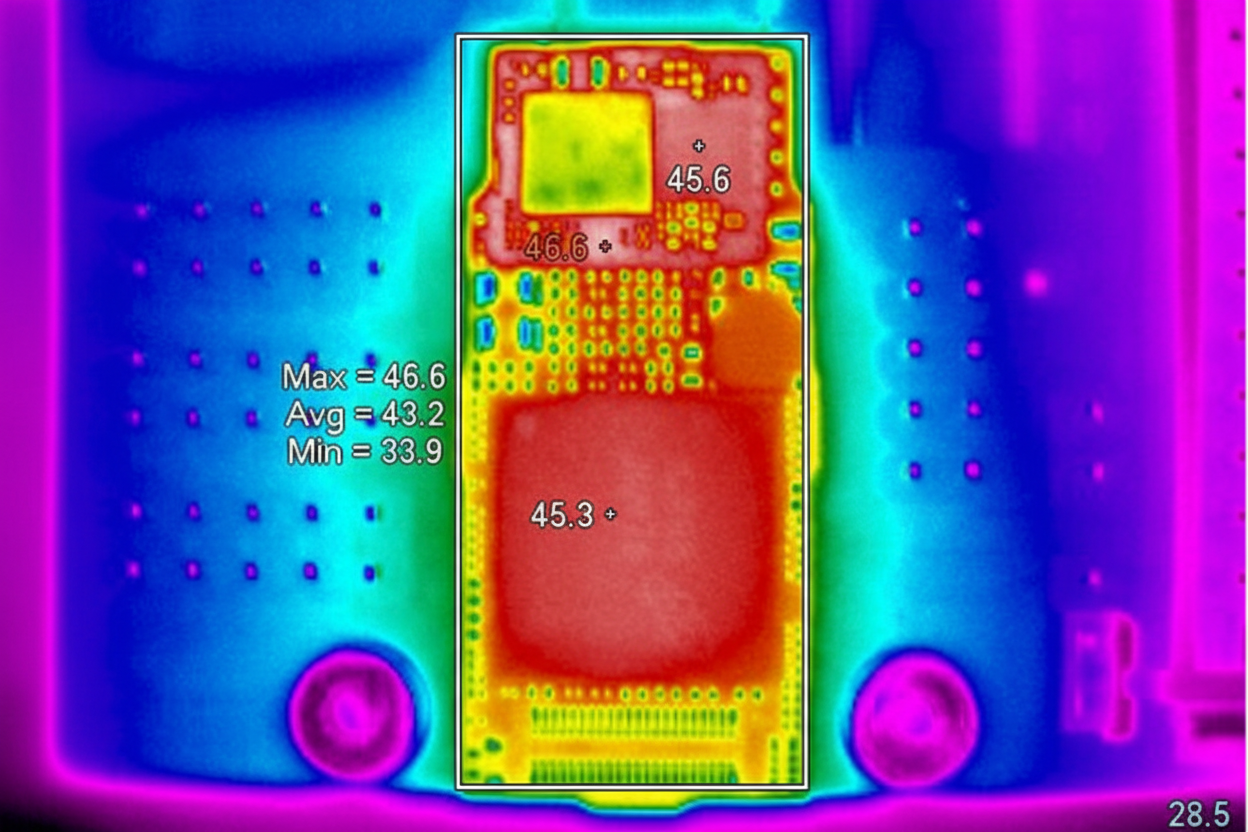
Thermal image of a device showing heat distribution, a figure from the book
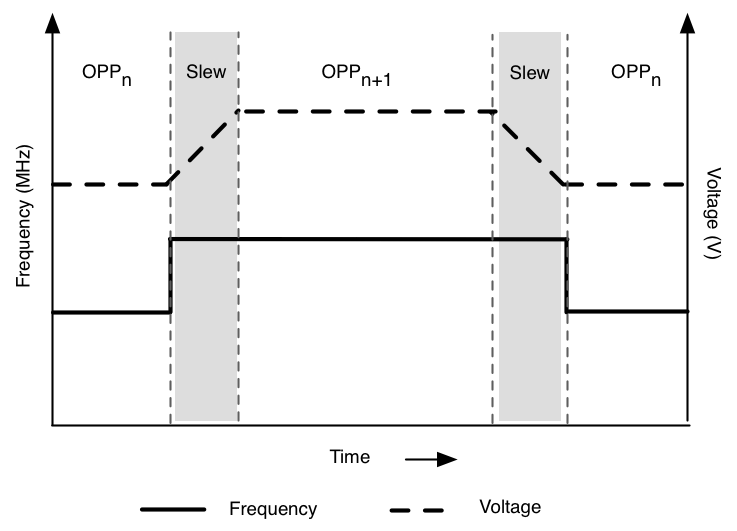
Chart of dynamic voltage and frequency scaling (DVFS) slew, a figure from the book
04 / Where to buy

Published by Springer Science+Business Media, New York.

Also available from Abe Books, Alibris, Barnes and Noble, Google Books, IndieBound, WorldCat, and other booksellers.